Radiating Pain
Treatment for pain that radiates from the spine into the arms, legs, or chest — identifying the nerve root cause and eliminating the compression.
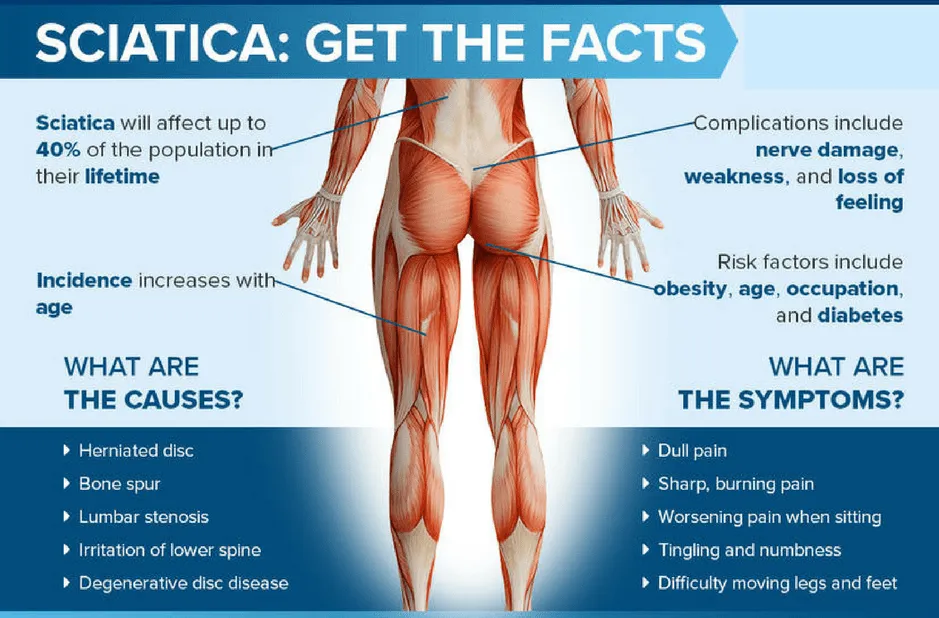
Pain that stays in one spot is manageable. Pain that travels — shooting down an arm, wrapping around the ribs, burning through the buttock and leg — is a different experience entirely. Radiating pain tells a specific story: somewhere along the nerve’s path from the spine to the extremity, something is compressing, irritating, or inflaming the nerve tissue, and the brain is interpreting those distress signals as pain in every region that nerve serves. At Georgia Injury Network, Dr. Daniel Dierdorff specializes in reading that story, identifying where the nerve is compromised, and correcting the structural problem that is generating the pain.
What Makes Pain Radiate
To understand radiating pain, you need to understand how nerves work. Each spinal nerve root that exits the spinal column between two vertebrae carries sensory and motor fibers to a specific region of the body. When that nerve root is healthy, signals travel freely and you feel nothing abnormal. When the nerve root is compressed — by a bulging disc, a misaligned vertebra, a bone spur, or inflamed surrounding tissue — the nerve fires inappropriately, sending pain signals to every structure it innervates.
This is why a problem in the lower back can produce pain in the foot, or a cervical disc herniation can cause burning in the fingertips. The nerve is like a power cord — a pinch at the plug end affects everything downstream.
The Difference Between Radiating Pain and Referred Pain
Radiating pain and referred pain are often confused, but they have different mechanisms and require different treatment approaches.
Radiating pain (radiculopathy) follows a specific nerve pathway. It is sharp, electric, or burning in quality, and it traces a line from the spine outward through the extremity. It is caused by direct nerve root compression and responds to treatments that decompress the nerve.
Referred pain is a dull, diffuse ache that appears in an area distant from the actual problem but does not follow a nerve pathway. Trigger points in the shoulder blade muscles, for example, can refer pain to the arm. Heart conditions can refer pain to the left arm and jaw. Referred pain is generated by shared nerve pathways between different body regions, not by nerve root compression.
Dr. Dierdorff distinguishes between these mechanisms during the diagnostic process because the treatment approach differs substantially.
Common Patterns of Radiating Pain
Cervical Radiculopathy — Arm Radiation
Pain that begins in the neck and travels into the shoulder, arm, forearm, or hand almost always indicates compression of a cervical nerve root. The most commonly affected levels are C5-C6 and C6-C7, where disc herniations and spondylotic changes are most prevalent. Patients describe the pain as a burning, electric, or aching sensation that follows a specific track down the arm, often worsening when the head is tilted backward or toward the affected side.
Thoracic Radiculopathy — Chest and Rib Radiation
Though less common than cervical or lumbar radiculopathy, thoracic nerve root compression produces pain that wraps around the rib cage from back to front. This pattern can mimic cardiac pain, abdominal conditions, or shingles (before the rash appears), making accurate diagnosis essential. Thoracic radiculopathy is most often caused by disc herniations, vertebral compression fractures, or costovertebral joint dysfunction.
Lumbar Radiculopathy — Leg Radiation
Pain radiating from the lower back into the buttock and down the leg is the hallmark of lumbar radiculopathy, with sciatica (compression of the L5 or S1 nerve root) being the most recognized pattern. However, upper lumbar nerve root compression (L1-L4) can produce radiating pain in the front of the thigh and inner leg — a pattern that is less well-known but equally debilitating.
Diagnostic Precision
Effective treatment of radiating pain depends entirely on identifying the exact level and mechanism of nerve compression. Dr. Dierdorff uses a systematic approach that combines patient history with targeted testing:
- Pain mapping — charting exactly where the pain travels to correlate the pattern with specific nerve root distributions
- Orthopedic provocation tests — maneuvers that reproduce the radiating pain pattern by increasing pressure on the suspected nerve root (Spurling’s test for cervical radiculopathy, straight leg raise for lumbar radiculopathy)
- Neurological examination — testing reflexes, muscle strength, and sensory discrimination in the affected extremity to confirm which nerve level is involved and assess the severity of compression
- Range-of-motion analysis — identifying which spinal movements reproduce or relieve the radiating symptoms, which provides clues about the compressive mechanism
Advanced imaging may be ordered when the clinical presentation warrants it, particularly when disc herniation is suspected or when symptoms are severe or progressive.
Treatment Approach
Chiropractic Decompression
The primary objective is to create space for the compressed nerve root. Chiropractic adjustments restore vertebral alignment and correct the mechanical dysfunction that is narrowing the neural foramen. For disc-related compression, flexion-distraction and spinal decompression techniques create negative intradiscal pressure that draws protruding disc material away from the nerve root.
Anti-Inflammatory Protocols
Nerve root compression creates both mechanical and chemical irritation. Even after the mechanical pressure is relieved, residual inflammation around the nerve root can sustain symptoms. Dr. Dierdorff recommends anti-inflammatory nutritional protocols and lifestyle modifications that support the body’s natural resolution of nerve inflammation.
Progressive Rehabilitation
As radiating symptoms decrease, rehabilitation exercises strengthen the muscles that stabilize the affected spinal segment, preventing the mechanical dysfunction from recurring. Core stabilization, postural correction, and movement retraining are integrated into the treatment plan based on each patient’s specific diagnosis and functional goals.
Do Not Ignore Radiating Pain
Radiating pain is not just uncomfortable — it is a warning that a nerve is being damaged. The longer the compression continues, the greater the risk of permanent nerve dysfunction. If you are experiencing pain that shoots, burns, or travels from your spine into your arms, legs, or chest, call Georgia Injury Network at (470) 397-1527 or book your appointment online. Dr. Dierdorff provides expert diagnosis and treatment for radiating pain conditions in College Park and throughout the south Atlanta metro area.
Ready to Get Started?
Contact us today and take the first step. Free consultations available.