Arm & Leg Pain
Diagnosis and treatment of arm and leg pain originating from spinal nerve compression, joint dysfunction, and soft tissue injury.
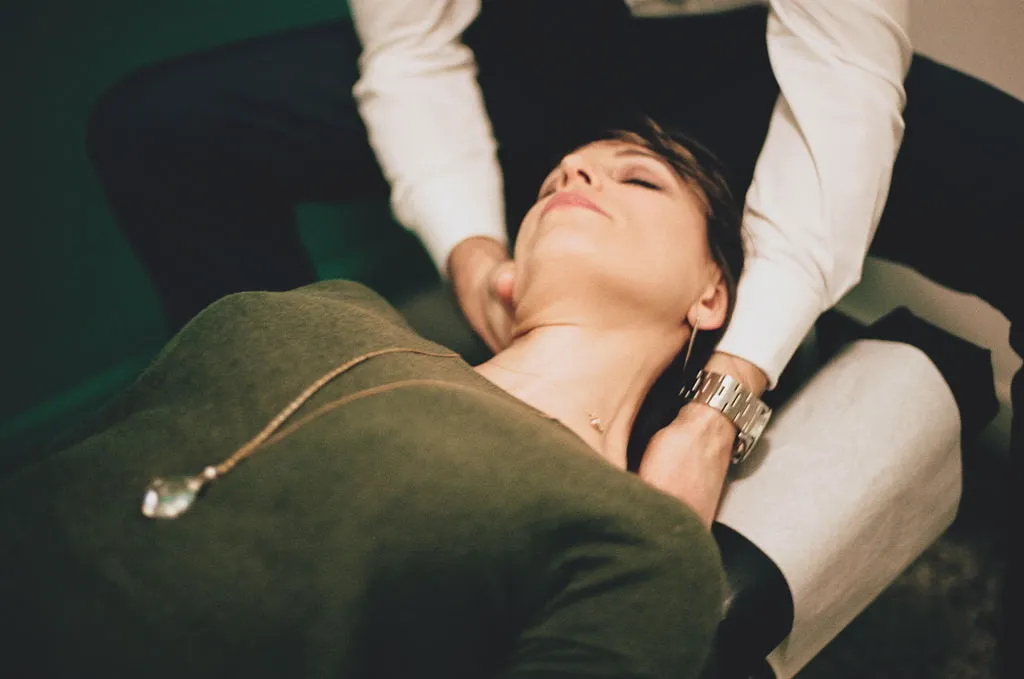
When pain develops in an arm or leg, the natural assumption is that the problem exists where the pain is felt — a sore shoulder must be a shoulder problem, an aching knee must be a knee issue. But in a significant percentage of cases, extremity pain originates not in the limb itself but in the spine. Compressed or irritated spinal nerves send pain signals down the full length of the nerve pathway, creating symptoms in the arm, hand, leg, or foot that are actually rooted in a cervical or lumbar spinal dysfunction. At Georgia Injury Network, Dr. Daniel Dierdorff specializes in tracing extremity pain to its true source and delivering treatment that resolves the cause, not just the symptom.
How Spinal Problems Create Arm and Leg Pain
The spinal cord sends nerve branches through openings between each pair of vertebrae. These nerve roots merge into the major nerves that travel through the arms and legs, providing both sensation and motor control to every muscle, joint, and patch of skin in the extremities. When a vertebral misalignment, herniated disc, bone spur, or inflamed joint narrows the space through which a nerve root exits the spine, the result is radiculopathy — nerve root compression that produces pain, numbness, tingling, or weakness along the nerve’s distribution.
Cervical Radiculopathy and Arm Pain
Nerve roots exiting the cervical spine (C4 through T1) form the brachial plexus, the nerve network that controls the shoulder, arm, forearm, wrist, and hand. Compression of these nerve roots — most commonly from a cervical disc herniation or cervical spondylosis — produces symptoms that follow predictable patterns based on which nerve root is affected:
- C5 nerve root — pain and weakness in the deltoid (shoulder), with difficulty raising the arm
- C6 nerve root — pain radiating down the outer arm to the thumb and index finger, with weak wrist extension
- C7 nerve root — pain down the back of the arm to the middle finger, with difficulty straightening the elbow
- C8 nerve root — pain and numbness in the ring and little fingers, with weak grip strength
Lumbar Radiculopathy and Leg Pain
Nerve roots exiting the lumbar and sacral spine (L1 through S3) form the lumbosacral plexus, including the sciatic nerve. Compression at any of these levels produces leg pain in patterns that correspond to the affected nerve:
- L3-L4 nerve roots — pain in the front of the thigh and inner shin, with difficulty climbing stairs
- L5 nerve root — pain radiating to the outer thigh, shin, and top of the foot, with difficulty raising the big toe
- S1 nerve root — pain down the back of the leg to the outer foot, with weak calf muscles and difficulty standing on tiptoes
Beyond the Spine: Joint and Soft Tissue Causes
Not all extremity pain is spinal in origin. Dr. Dierdorff also evaluates and treats peripheral causes of arm and leg pain:
- Shoulder impingement — compression of the rotator cuff tendons beneath the acromion, producing pain with overhead movements
- Lateral and medial epicondylitis — tennis elbow and golfer’s elbow, caused by repetitive forearm motions
- IT band syndrome — tightness of the iliotibial band creating pain on the outer knee, common in runners
- Plantar fasciitis — inflammation of the connective tissue on the sole of the foot, causing heel pain
- Bursitis — inflammation of the fluid-filled sacs that cushion joints in the hip, knee, shoulder, and elbow
The diagnostic challenge is determining whether the pain is coming from the spine, from the local joint or tissue, or from both simultaneously — a common scenario where a spinal nerve irritation lowers the pain threshold in the tissues that nerve supplies, making local problems more symptomatic than they would otherwise be.
Diagnostic Process
Dr. Dierdorff’s approach to extremity pain begins with a detailed history that maps the pain’s location, quality, triggers, and progression. The physical examination includes both spinal and extremity testing — orthopedic maneuvers that stress specific joints and nerve pathways to reproduce the patient’s symptoms and narrow the diagnosis. Neurological testing — reflexes, muscle strength, and sensory discrimination — identifies which nerve level is involved when radiculopathy is suspected.
This thorough process prevents the common error of treating a shoulder for tendinitis when the real problem is a C5 nerve compression in the neck, or performing knee surgery when the actual pain generator is an L3-L4 disc herniation.
Treatment
Spinal Adjustment
When extremity pain originates from the spine, chiropractic adjustments to the affected cervical or lumbar segments restore proper vertebral alignment, widen the neural foramina, and relieve nerve root compression. As the nerve decompresses, pain, numbness, and weakness in the arm or leg progressively resolve.
Extremity Adjustment
When the problem is in the peripheral joint itself, Dr. Dierdorff applies specific adjustments to the shoulder, elbow, wrist, hip, knee, or ankle to restore normal joint mechanics. These extremity adjustments are often overlooked by chiropractors who focus exclusively on the spine, but they are essential for resolving joint-based pain.
Rehabilitative Exercise
Strengthening the muscles that support the affected joint and stabilizing the spinal segments that house the compressed nerve are critical for preventing recurrence. Dr. Dierdorff prescribes individualized exercise programs that address each patient’s specific deficits.
Get to the Root of Your Pain
Stop chasing symptoms in your arms and legs when the problem may be in your spine. Call Georgia Injury Network at (470) 397-1527 or schedule online for a thorough evaluation that identifies the true source of your pain. Dr. Dierdorff serves patients across College Park, East Point, Hapeville, and the greater south Atlanta area.
Ready to Get Started?
Contact us today and take the first step. Free consultations available.